
The Role of Commercial HVAC Engineering in Industrial Facilities
Imagine a key business system breaking down late at night. For companies and building managers in Radford, VA, this is more than just a hassle. It can stop work, damage valuable items, and even be unsafe. The need for trustworthy 24 hour emergency systems repairs & retrofits in Radford, VA, is crucial. This keeps things running and stops big money losses. We know how urgent it is when commercial heating, cooling, or power systems fail, especially when your business depends on them. This article will look into these fast services. We will cover quick response plans and how to follow local rules. It will give a full picture of how to keep your business buildings working well.
For more on ensuring your commercial systems are reliable, visit Whitescarver Engineering Co., or find detailed service options at [CONVERSIONURLPLACEHOLDER].
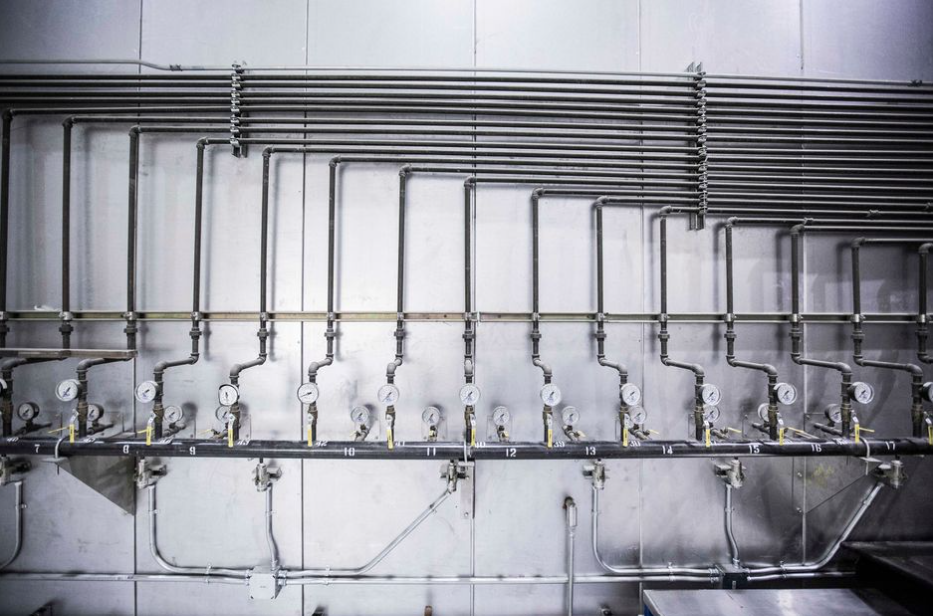
Commercial HVAC engineering is the backbone of operational efficiency and environmental control for industrial facilities. Beyond merely heating and cooling, these systems are intricately designed to support critical processes, maintain specific atmospheric conditions, and ensure the safety and comfort of occupants and equipment. Custom industrial HVAC projects often involve complex considerations, such as precise temperature and humidity control for manufacturing processes, ventilation for hazardous materials, and robust air filtration systems to protect sensitive electronics or product integrity. Refrigeration engineering, in particular, plays a vital role, extending to process cooling applications that are indispensable in sectors like food processing, pharmaceuticals, and data centers. These B2B mechanical solutions are not off-the-shelf products; they are bespoke systems engineered to meet the unique demands and challenges presented by each industrial environment. Effective system design considers not only the immediate needs but also future scalability and energy efficiency goals, ensuring long-term operational reliability and cost-effectiveness.
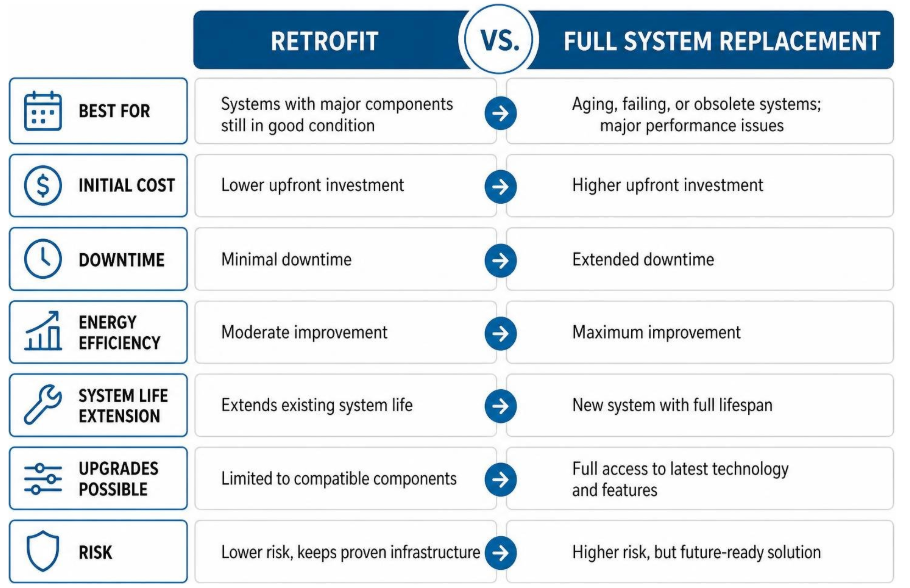
When considering upgrades or repairs, facilities often face a choice between retrofitting existing systems or undertaking a complete system replacement. Both approaches have distinct advantages and are chosen based on factors such as the age of the current infrastructure, budget constraints, desired efficiency improvements, and the extent of required changes. Retrofits can extend the life of existing equipment, introduce modern controls, and improve efficiency without the extensive downtime and capital expenditure of a full replacement. However, a complete replacement might be necessary for severely outdated systems or when a facility undergoes a major operational overhaul that demands entirely new capabilities. Understanding this comparison is crucial for strategic facility management.
Advanced Commercial HVAC Engineering for Low-Emission Retrofits
In an era increasingly focused on sustainability and environmental stewardship, advanced commercial HVAC engineering is pivotal in driving low-emission retrofits. Decarbonization efforts are transforming how industrial facilities manage their energy consumption, with HVAC systems being a primary target for improvements. These system upgrades are not just about compliance; they represent significant opportunities for energy cost reductions and enhanced operational performance. Modern retrofits often incorporate cutting-edge technologies, such as variable refrigerant flow (VRF) systems, high-efficiency chillers, and advanced heat recovery units, all designed to minimize the carbon footprint.
Building automation systems (BAS) are integral to these sustainable retrofits, providing intelligent control over HVAC operations. A well-implemented BAS can optimize energy usage by adjusting settings based on occupancy, external weather conditions, and internal load demands, leading to substantial savings and improved environmental outcomes. Furthermore, the integration of renewable energy sources, such as solar thermal or geothermal systems, into HVAC retrofits can further accelerate decarbonization goals. These comprehensive engineering solutions ensure that facilities in Radford, VA, and beyond can meet stringent environmental targets while maintaining optimal operational conditions and contributing to a greener future.
Navigating Environmental Regulations and Stormwater Compliance in Radford, VA
For commercial and industrial facilities in Radford, VA, understanding and adhering to local environmental regulations is paramount, especially when undertaking emergency repairs or system retrofits. The City of Radford operates under the General Permit for Discharges of Stormwater from Small Municipal Separate Storm Sewer Systems (MS4), specifically Permit Number VAR040135, which became effective in November 2023. This permit mandates that the city, and by extension, facilities within its jurisdiction, implement a comprehensive stormwater management program.
This means that any activity involving discharge, even incidental, must consider its impact on the local stormwater system. For instance, while air conditioning condensation is generally classified as an authorized nonstormwater discharge under Virginia MS4 regulations (9VAC25-890-20 D), provided it’s not a significant pollutant contributor, other types of discharges from emergency repairs or retrofits might require closer scrutiny. Facility managers must be aware that activities such as water line flushing or the accidental release of refrigerants or cleaning agents during maintenance could fall outside authorized parameters, potentially leading to environmental compliance issues.
The VA DEQ regulations emphasize the importance of proactive facility maintenance. While “unavoidable equipment failures” caused by extreme weather might offer some leniency, failures resulting from poor maintenance or a lack of funding are explicitly not accepted as excuses for environmental non-compliance. Therefore, any commercial HVAC or refrigeration retrofit in Radford must not only aim for operational efficiency but also ensure that all associated discharges, from condensation to potential emergency releases, are managed in strict adherence to these municipal guidelines and state permits. This proactive approach safeguards both the environment and the facility from regulatory penalties.
Emergency Mechanical Repairs and Retrofits for Commercial Operations
When critical mechanical systems fail in a commercial or industrial setting, the clock starts ticking. Every minute of downtime can translate into significant financial losses, compromised product quality, or even safety hazards. That’s why 24/7 service for commercial clients is not a luxury but a necessity, particularly for emergency mechanical repairs and system retrofits. In the Roanoke region, including Salem, Vinton, Blacksburg, Christiansburg, and Radford, businesses rely on rapid, expert intervention to restore functionality swiftly.
Emergency repairs often involve diagnosing and fixing sudden breakdowns in HVAC, refrigeration, or process cooling systems. This could range from a compressor failure in a large industrial freezer to a complete shutdown of a building’s heating system during winter. System retrofits, while typically planned, can sometimes become urgent if an existing system is found to be critically inefficient, unsafe, or non-compliant with new regulations, requiring immediate upgrade to maintain operations. The ability to deploy skilled technicians around the clock, equipped with the right tools and parts, is what distinguishes reliable emergency service providers. For comprehensive support in these critical situations, many businesses turn to experienced partners like Whitescarver Engineering Co., who understand the unique demands of commercial and industrial environments.
Rapid Response Protocols in Commercial HVAC Engineering
The effectiveness of emergency services hinges on rapid response protocols. In commercial HVAC engineering, this means more than just answering a phone call; it involves a streamlined process from initial contact to on-site resolution. Companies with robust rapid response rates have sophisticated dispatch systems that can quickly identify the closest available technician, assess the nature of the emergency, and ensure the technician arrives with the necessary equipment and expertise.
A key differentiator for top-tier service providers is their commitment to a zero-injury safety record, even under the high-pressure conditions of an emergency. This reflects rigorous training, adherence to safety protocols, and a culture that prioritizes the well-being of both technicians and clients. Furthermore, working with a Class A Contractor ensures that the team possesses the highest level of licensing and experience, capable of handling complex commercial and industrial projects safely and effectively. The ultimate goal of these rapid response protocols is to minimize business disruption, getting critical systems back online as quickly and safely as possible, protecting assets and maintaining operational continuity.
Preventing Downtime with Proactive Maintenance Agreements
While emergency services are crucial for unforeseen breakdowns, the most effective strategy for managing commercial mechanical systems is through proactive maintenance agreements. These agreements are designed to prevent emergencies before they occur, significantly reducing the likelihood of costly downtime and unexpected repairs. Regular preventative maintenance involves scheduled inspections, cleaning, calibration, and component replacements, all aimed at ensuring systems operate at peak efficiency and reliability.
The benefits of such agreements are multifaceted. They contribute to system longevity by identifying and addressing minor issues before they escalate into major failures, extending the lifespan of expensive equipment. This proactive approach also leads to considerable energy cost reductions, as well-maintained systems consume less energy than those operating inefficiently. For facility management teams, maintenance agreements offer peace of mind, budget predictability, and compliance assurance. By entrusting their HVAC and refrigeration systems to a dedicated service provider, businesses can focus on their core operations, confident that their critical mechanical infrastructure is being professionally managed and optimized for long-term performance.
Frequently Asked Questions about Commercial Mechanical Systems
Effective facility management relies on a deep understanding of operational reliability and adherence to compliance standards. When it comes to commercial mechanical systems, particularly HVAC and refrigeration, several common questions arise for property owners and managers in Radford, VA, and the surrounding regions. Addressing these concerns proactively can help prevent emergencies and ensure smooth operations.
How does the Virginia MS4 stormwater permit impact commercial HVAC retrofits in Radford?
The Virginia MS4 stormwater permit (VAR040135), enforced by the VA DEQ, has specific implications for commercial HVAC retrofits in Radford. As per 9VAC25-890-20 D, air conditioning condensation is generally considered an authorized nonstormwater discharge. This means that standard condensation drainage from HVAC systems typically does not require a separate permit, provided it does not contribute significant pollutants to the stormwater system. However, facility managers must ensure that any new or retrofitted HVAC system properly routes this condensation to an appropriate discharge point that complies with local regulations. Any other discharges during the retrofit process, such as water from flushing lines or spills of lubricants or coolants, must be carefully managed to prevent environmental runoff and potential violations. Proactive planning during retrofits ensures that environmental compliance is maintained, safeguarding both the local ecosystem and the facility from regulatory issues.
What are the most common causes of emergency commercial refrigeration failures?
Emergency commercial refrigeration failures can stem from various issues, often leading to significant product loss and operational disruption. Among the most common causes are compressor issues, which can arise from wear and tear, improper lubrication, or electrical problems. Electrical surges are another frequent culprit, capable of damaging sensitive control systems and motors, especially during severe weather events. Poor maintenance practices are a significant contributing factor; neglecting routine checks and cleaning can lead to refrigerant leaks, clogged coils, and overworked components, all of which predispose a system to failure. While “unavoidable equipment failures” caused by extreme weather or unforeseen circumstances are recognized, the VA DEQ explicitly states that failures due to inadequate maintenance or funding are not acceptable excuses for non-compliance. Therefore, investing in regular preventative maintenance is crucial to mitigate these risks and ensure the longevity and reliability of commercial refrigeration units.
How can facility managers prepare their HVAC systems for extreme weather in the Roanoke region?
Preparing HVAC systems for the unpredictable extreme weather in the Roanoke region is a critical aspect of preventative maintenance. Facility managers should implement a robust strategy that includes several key steps. First, regular system inspections are essential to identify and address any vulnerabilities before cold snaps or heatwaves hit. This includes checking refrigerant levels, cleaning coils, inspecting electrical connections, and ensuring all components are functioning correctly. Second, considering backup power solutions, such as generators, can ensure critical HVAC systems remain operational during power outages caused by storms, preventing pipes from freezing in winter or vital equipment from overheating in summer. Third, proper winterization techniques, such as insulating pipes and checking heating elements, are paramount before the colder months. Conversely, ensuring cooling systems are optimized and filters are clean before summer can prevent breakdowns during peak demand. Proactive planning and consistent maintenance significantly enhance system resilience, protecting facilities from the adverse effects of severe weather.
Conclusion
Technical excellence in commercial HVAC engineering is not merely about installing and repairing systems; it’s about ensuring operational reliability, fostering long-term efficiency, and upholding environmental stewardship. For businesses in Radford, VA, and the wider Roanoke region, the availability of 24-hour emergency system repairs and retrofits is a critical lifeline, minimizing downtime and safeguarding assets. By understanding the nuances of local regulations, embracing advanced engineering solutions for low-emission retrofits, and committing to proactive maintenance, facility managers can create resilient, efficient, and compliant operational environments. This holistic approach to commercial mechanical systems ensures that businesses can thrive, regardless of unexpected challenges or evolving regulatory landscapes.
